
Do Single-Story Homes Really Save Energy?
Reviewed by Penny Electric - licensed NV C-2 electrical contractor (#74758)
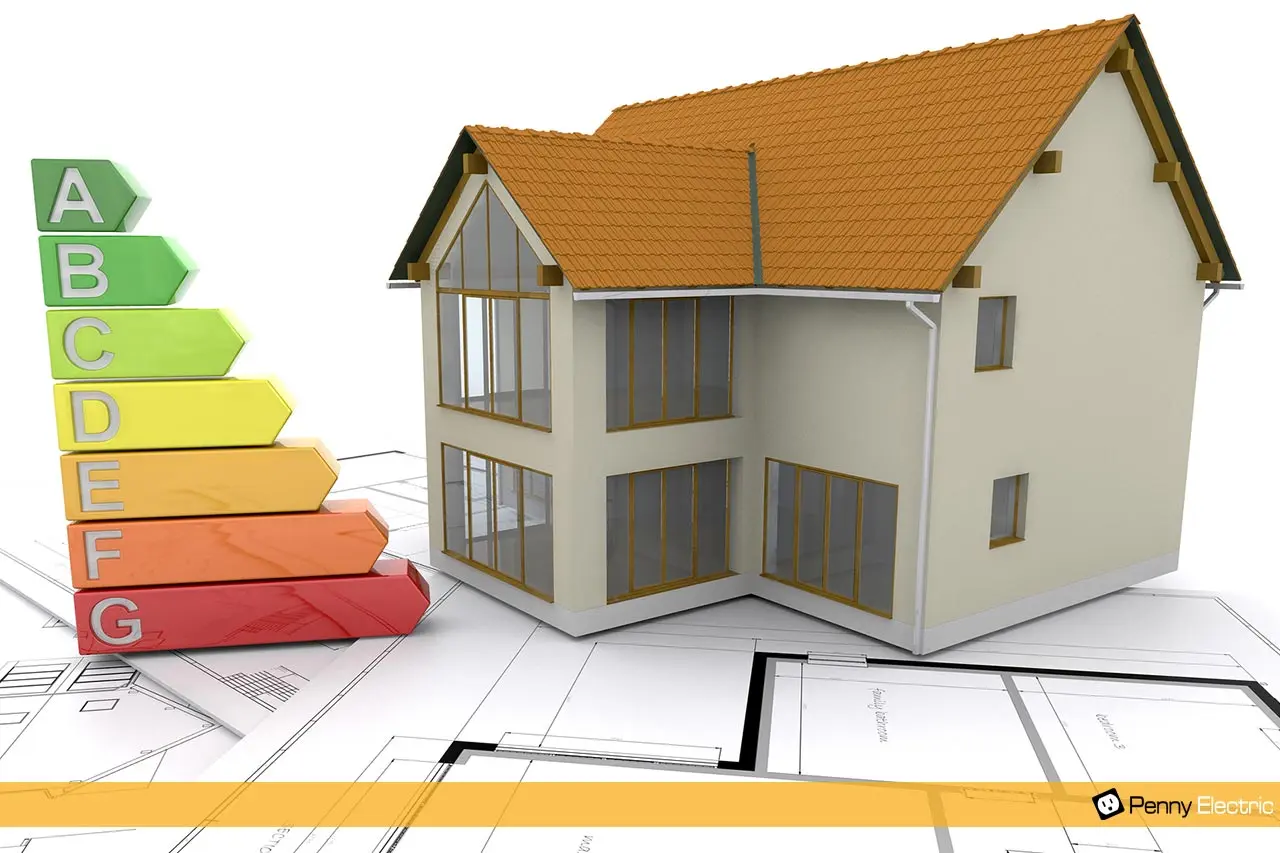
The debate about energy efficiency as it relates to the number of stories (floors) in a home is not a new one. The crux of the debate has to do with heating and cooling, since that accounts for nearly half of the typical homeowner's energy expense. The consensus has always been that a single-story home is more energy-efficient because heat rises, resulting in a larger temperature variance and additional burden on climate control systems. And this is correct, since warm air will always make a beeline for cooler air in an effort to balance things out. There are however several other variables that aren't often considered that might make a two story home more efficient than you think. Whatever the floor plan, a home energy assessment through our electrical inspection service shows where your house actually loses money.
Why Two-Story Homes Can Have an Edge, Energy-Wise
The largest, most often overlooked advantage of two story homes as it applies to energy efficiency is surface area. A two story home of the same square footage as a single is going to have a smaller footprint. Because roofs and foundations contribute significantly to temperature transfer, homes with smaller footprints do have an advantage. The condensed design of a two-story home also results in less plumbing which reduces temperature loss of heated water. And the adjacency of rooms and walls further minimizes conduction, which is the transfer of heat through structural components.More to Consider
Before you start applauding the fact that your two-story home might be more efficient than your neighbors single, you should also know:- Corners minimize circulation. And if your home has lots of angles and nifty architectural features vs a simple box design, it might be harder to control temperatures.
- Two story homes with open, high ceiling floor plans will exaggerate temperature transfer making it harder to cool the top and heat the bottom floors.
- Sun exposure as the result of trees, bushes, architecture, the number of windows and orientation all significantly contribute to climate control.