
Get Efficient Heating and Cooling with a Mini-Split System
Reviewed by Penny Electric - licensed NV C-2 electrical contractor (#74758)
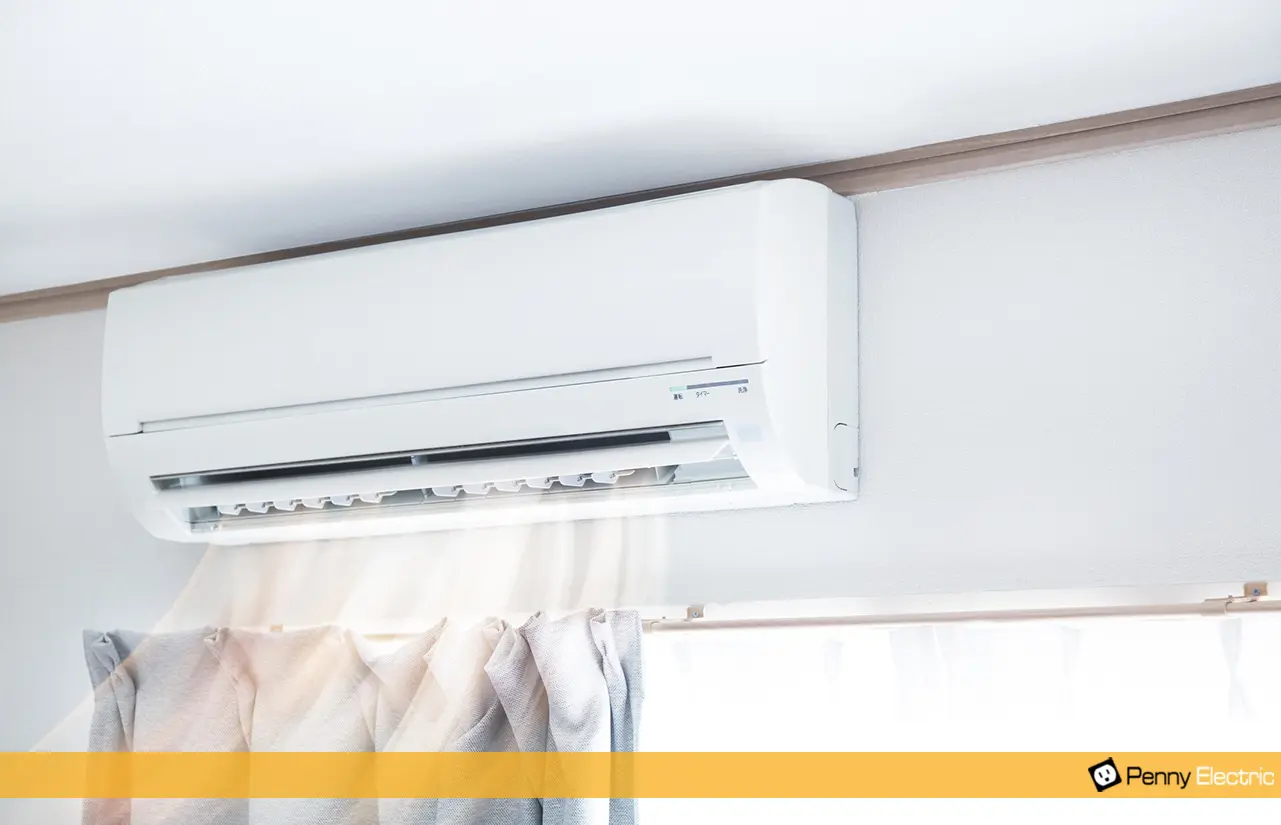
As energy efficiency and personalized comfort become increasingly important for homeowners in Henderson and Las Vegas, mini-split systems have gained significant popularity. These compact, efficient systems provide both heating and cooling without the need for traditional ductwork. If you’re considering upgrading your home’s HVAC system, a mini-split could be the perfect solution. In this article, we’ll explain what a mini-split system is, its power requirements, and how it compares in electrical efficiency to standard ducted HVAC units.
What Is a Mini-Split System?
A mini-split system, also known as a ductless mini-split, is a heating and cooling solution that consists of two primary components:
- Indoor Unit: Mounted on a wall, ceiling, or floor, this unit delivers warm or cool air directly into a specific room or zone. It contains an evaporator and fan to manage air distribution.
- Outdoor Unit: Positioned outside the home, this unit houses the compressor and condenser. It’s connected to the indoor unit via a small conduit that includes power cables, refrigerant tubing, and a condensate drain.
Mini-split systems are ideal for single rooms, additions, or even entire homes when multiple indoor units are installed. They’re especially popular for homes without existing ductwork or where duct installation would be impractical or costly.
Power Requirements of Mini-Split Systems
Mini-split systems require a dedicated electrical circuit to operate efficiently and safely. The specific power requirements depend on the system’s size and capacity, measured in British Thermal Units (BTUs). Here are the key factors to consider:
- Voltage: Most residential mini-split systems run on 120V or 240V circuits. Larger systems with higher BTU ratings typically require 240V.
- Amperage: The system’s amperage draw depends on its capacity. Smaller units may require 15-amp circuits, while larger units might need 20- to 30-amp circuits.
- Breaker Size: An appropriately sized breaker protects the system and prevents electrical overload. Your electrician will determine the correct breaker size based on the manufacturer’s specifications.
It’s essential to have a licensed electrician, like those at Penny Electric, handle the electrical setup to ensure your mini-split system operates safely and efficiently.
Electrical Efficiency Compared to Standard Ducted HVAC Systems
Mini-split systems are well-known for their energy efficiency, often outperforming traditional ducted HVAC systems in both heating and cooling modes. Here’s how they stack up:
1. Reduced Energy Loss:
Standard ducted systems lose up to 30% of energy through ductwork due to leaks, poor insulation, and inefficiencies in air distribution. Mini-split systems also eliminate this loss by delivering air directly to the target zone.
2. Zoning Capabilities:
Mini-splits allow for individual temperature control in different rooms or zones, ensuring you only heat or cool spaces as needed. This targeted approach reduces energy consumption compared to whole-home ducted systems.
3. Inverter Technology:
Many mini-split systems feature inverter-driven compressors that adjust their speed based on demand. This ensures consistent temperatures while using less energy compared to the constant on/off cycling of traditional HVAC systems.
4. High Seasonal Energy Efficiency Ratios (SEER):
Mini-split systems typically have SEER ratings ranging from 18 to 30, significantly higher than the average 13-16 SEER ratings of standard ducted systems. Higher SEER ratings translate to lower energy consumption and reduced utility bills.
5. Heat Pump Efficiency:
Mini-split systems often function as heat pumps, providing efficient heating by transferring heat rather than generating it. This process uses far less electricity compared to electric resistance heating found in some ducted systems.
Why Choose a Mini-Split System?
In addition to their energy efficiency, mini-split systems offer several other advantages:
- Compact Design: Their small size and flexibility make them suitable for homes of all sizes.
- Quiet Operation: Both indoor and outdoor units operate quietly, enhancing comfort without noise disruptions.
- Improved Indoor Air Quality: Mini-splits include advanced filtration systems that reduce dust, allergens, and pollutants.
- Eco-Friendly Options: Many systems use environmentally friendly refrigerants and have ENERGY STAR certifications.
Trust Penny Electric for Your Mini-Split Power Needs
If you’re ready to upgrade to a mini-split system, Penny Electric is here to help upgrading your existing electrical system to accommodate your new mini split system.. Our experienced team specializes in installing energy-efficient HVAC systems tailored to your home’s needs. We handle all electrical requirements, ensuring your system is installed safely and operates at peak efficiency.
Contact Penny Electric today to learn more about mini-split systems and how they can transform your home’s comfort and energy savings.